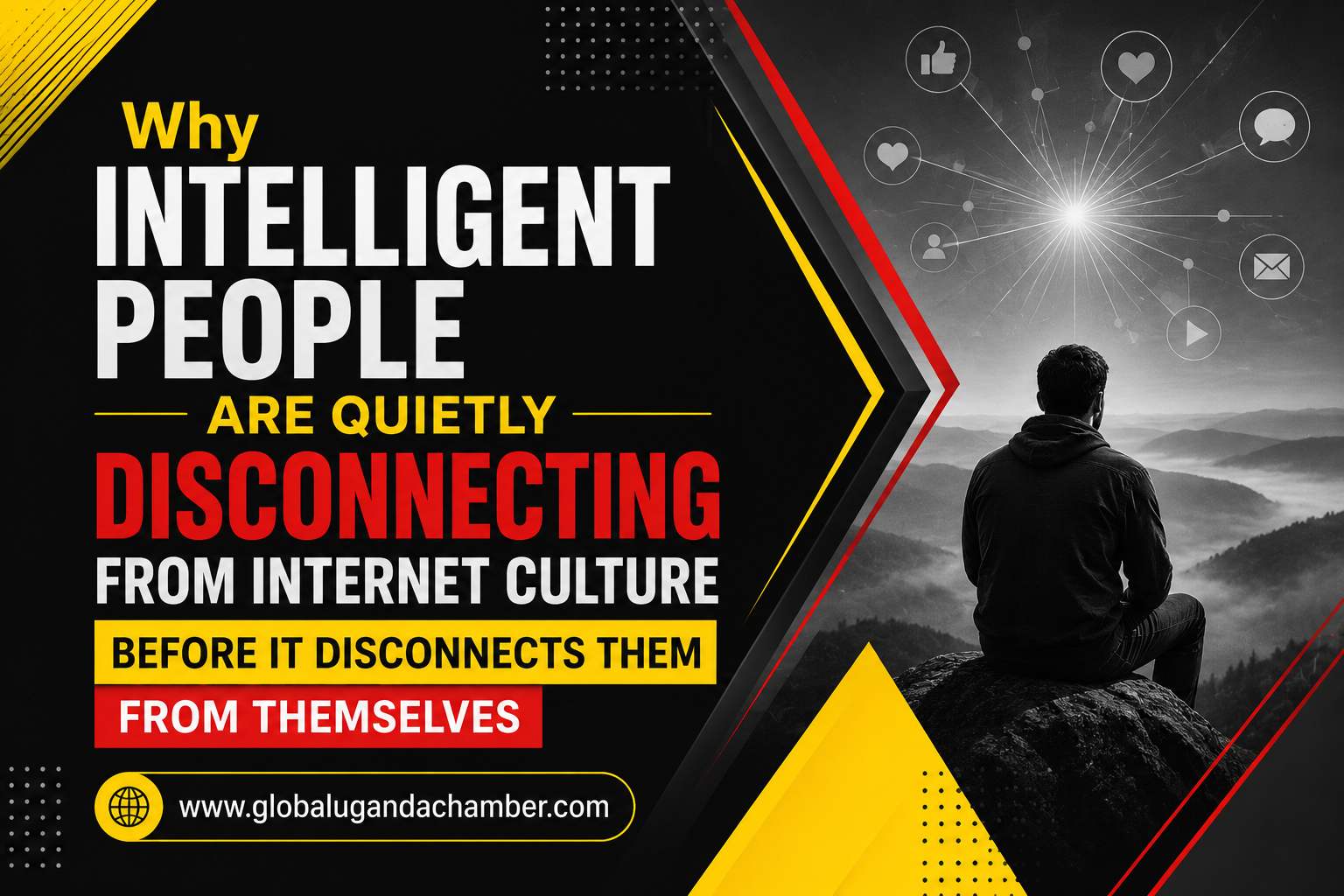
The internet was supposed to bring humanity closer. It promised unlimited knowledge, meaningful connections, global conversations, and a world where anyone could learn, create, build, and be heard. Yet something unexpected is happening. An increasing number of thoughtful, ambitious, and intellectually curious people are becoming less interested in internet culture. They are not necessarily deleting every account or disappearing completely. Instead, they are becoming selective. They are questioning what deserves their attention, what deserves their emotions, and what deserves a permanent place in their minds. The real shift is not about abandoning technology. It is about refusing to let technology decide what matters.
For years, internet culture has rewarded speed over depth. The loudest opinion often travels faster than the most intelligent one. Outrage can generate more attention than wisdom, controversy can outperform context, and a carefully designed image can receive more recognition than years of genuine work. Intelligent people eventually notice this imbalance. They begin to understand that popularity does not automatically equal importance and virality does not automatically equal value. When every conversation is designed to capture attention, protecting your attention becomes an act of personal discipline.
The problem goes deeper than social media addiction. Modern internet culture can create an invisible pressure to constantly react. Someone is expected to have an opinion about every controversy, comment on every trend, follow every breaking story, celebrate every achievement, and respond to every digital signal. But thoughtful people understand that not every event deserves a reaction. Silence can be intelligence. Distance can be wisdom. Sometimes the most powerful decision is to refuse to participate in a conversation engineered to consume your emotional energy without giving anything meaningful back.
Another reason intelligent people are stepping away is the growing exhaustion caused by digital comparison. The internet often presents the highlights of thousands of lives simultaneously. Someone is launching a company, someone is travelling, someone is becoming wealthy, someone is getting married, someone is winning an award, and someone appears to have everything figured out. Constant exposure to these carefully selected moments can distort reality. Eventually, thoughtful individuals realize that they cannot build a meaningful life while constantly measuring it against edited versions of everyone else’s lives. They begin replacing comparison with concentration.
There is also a growing realization that attention is not an unlimited resource. Every notification, argument, short video, headline, advertisement, and trending topic competes for a small piece of the human mind. Individually, these interruptions may appear harmless. Collectively, they can destroy the ability to think deeply. Intelligent people increasingly recognize that their greatest advantage is not simply knowledge but uninterrupted thinking. They want time to read without checking their phones, work without constant notifications, walk without documenting everything, and have conversations that do not require an audience.
This does not mean intelligent people hate the internet. In fact, many of them use it more strategically than ever. They use digital platforms to research, publish ideas, build businesses, communicate internationally, discover opportunities, and learn from experts. The difference is intentionality. They are no longer willing to consume everything simply because it is available. They are learning to distinguish between the internet as a tool and internet culture as an environment. One can expand your possibilities. The other can quietly shape your behavior if you never question it.
The most dangerous part of internet culture may be how easily it turns identity into performance. People begin asking not only, “What do I believe?” but also, “How will people react if I say this?” They choose opinions that are socially rewarded, display achievements that attract admiration, and sometimes transform private experiences into public content. Over time, the boundary between living and performing becomes increasingly difficult to recognize. Intelligent people are beginning to ask a more uncomfortable question: If nobody could see my life, would I still want to live it this way?
This shift is particularly important for entrepreneurs, leaders, creators, professionals, and young people building their futures. Visibility matters, but visibility without substance can become a trap. Building a personal brand does not require turning your entire personality into content. Growing a business does not require commenting on every trend. Becoming influential does not require being constantly available. The strongest digital presence often comes from having something valuable to say rather than simply having something to post. In an overcrowded attention economy, depth can become a competitive advantage.
Perhaps this is why digital minimalism, intentional technology use, long-form learning, private communities, offline relationships, and focused work are becoming increasingly attractive. People are not necessarily looking for less technology; they are looking for less noise. They want digital environments that support their goals rather than constantly redirecting them. They want information without manipulation, connection without performance, and visibility without losing privacy. The future may not belong to those who are online the most. It may belong to those who know exactly when to be online and when to walk away.
The challenge, however, is not simply to disconnect. Running away from the internet without changing your relationship with attention solves very little. The real transformation begins when you consciously decide what deserves access to your mind. Audit the accounts you follow. Question the information you consume. Turn unnecessary notifications off. Protect periods of uninterrupted work. Read books that require concentration. Have conversations without reaching for your phone. Spend time creating something that cannot be measured by likes. Most importantly, stop allowing algorithms to become the invisible editors of your worldview.
The internet is not going away, and neither should meaningful participation in the digital world. But humanity must become better at using technology without allowing technology to use humanity. Intelligent people are not necessarily disappearing from internet culture because they have nothing to say. Many are stepping back because they have finally realized that their attention, peace, curiosity, relationships, and time are worth protecting. The question is no longer whether you are connected to the internet. The more important question is whether you are still connected to yourself while using it. In a world competing relentlessly for your attention, choosing what deserves it may become one of the most intelligent decisions you ever make.